
News / BKI Promotes Transpa ...
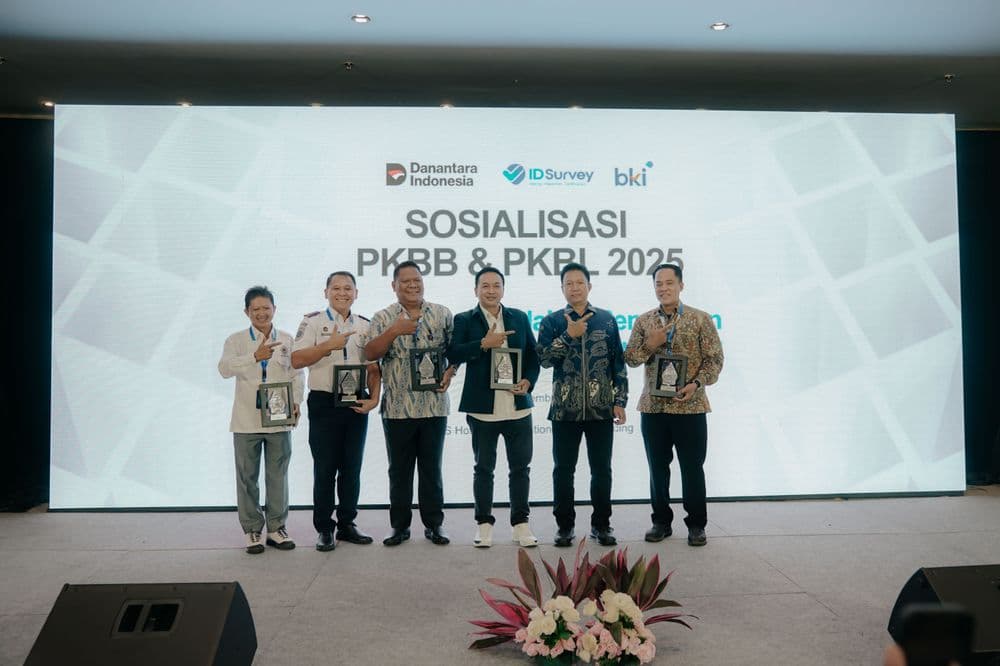
Jakarta, November 26, 2025 – PT Biro Klasifikasi Indonesia (Persero) or BKI held a Socialization on the Acceptance of New and Existing Ships (PKBB) and Acceptance of Existing Ships (PKBL) to strengthen cross-sector understanding and coordination among regulators, industry players, and key stakeholders. The event, themed “Maritime Synergy in Strengthening National Ship Classification for Safety and Global Competitiveness,” was convened in Kelapa Gading, Jakarta, as part of BKI’s continued commitment to reinforcing safety standards and compliance across the national shipping industry.


The initiative forms part of BKI’s strategic efforts to ensure that all vessels operating in Indonesian waters meet safety and classification requirements aligned with national and international regulations. As ship operations directly affect public mobility, logistics distribution, and maritime safety, strengthening the classification process remains a critical public priority.
Attendees included BKI’s Director of Classification Business Operations, Arief Budi Permana; Head of the Tanjung Priok Main Classification Branch, Muhammad Idi; Head of the Tanjung Priok Port Authority and Harbormaster Office, Capt. Heru Susanto, M.M.; Head of the Marunda Class II Port Authority and Harbormaster Office, Agus Harijanto, ST, M.Mar.E, M.Sc.; and Chairperson of INSA DPC, Ir. H. Andi S. Patonangi.
In his remarks, Arief emphasized that collaboration between regulators, industry players, and classification bodies is essential to ensure that PKBB and PKBL processes are conducted consistently, transparently, and in line with prevailing safety regulations.
“Synergy between regulators, business players, and all stakeholders is crucial for the classification process to be faster, more transparent, and aligned with safety regulations,” he stated.
Beyond procedural matters, the socialization aimed to enhance industry players’ understanding of fundamental ship safety principles. As shipowners and shipyards face increasing obligations to comply with evolving regulations, activities like this serve as an important platform for communicating updates and ensuring alignment with international practices.
Arief further noted:
“Through this activity, we want to ensure that all shipowners, shipyards, and related parties understand national and international safety standards.”
The session also featured in-depth discussions from BKI experts covering various aspects of ship classification, including ship design approval, class acceptance, material and component certification, Domestic Component Level (TKDN), and the use of the Maritime Cloud Platform for digitalized supervision.
Speakers included:
Wasito Abdul Mukit, VP of Nusantara Design Approval – Ship Design Approval
Budi Prakoso, VP of Digital Operations TIC – Maritime Cloud Platform (MCP)
Budiman, Main Staff II A, Commercial Branch Management Division – TKDN
Ali Akbar Baso, Senior Manager of Nusantara Class Acceptance – Newbuild & Existing Ship Class Acceptance
Muhdar, Head of BKI Academy – Maritime Competency Development
Herbert Simon Hutajulu, Senior Manager of Material & Component Operations – Certification
BKI highlighted the importance of open dialogue and stakeholder participation to further enhance the quality of national ships and strengthen the competitiveness of the Indonesian maritime industry.
Arief concluded:
“We invite all participants to actively discuss and provide input to create a national fleet that is safe, high-quality, and globally competitive.”
Through this PKBB and PKBL Socialization, BKI reaffirms its commitment to bolstering national ship safety standards and promoting a safer, more reliable maritime ecosystem that supports public mobility and national economic growth.