
News / BKI Hosts Maritime S ...
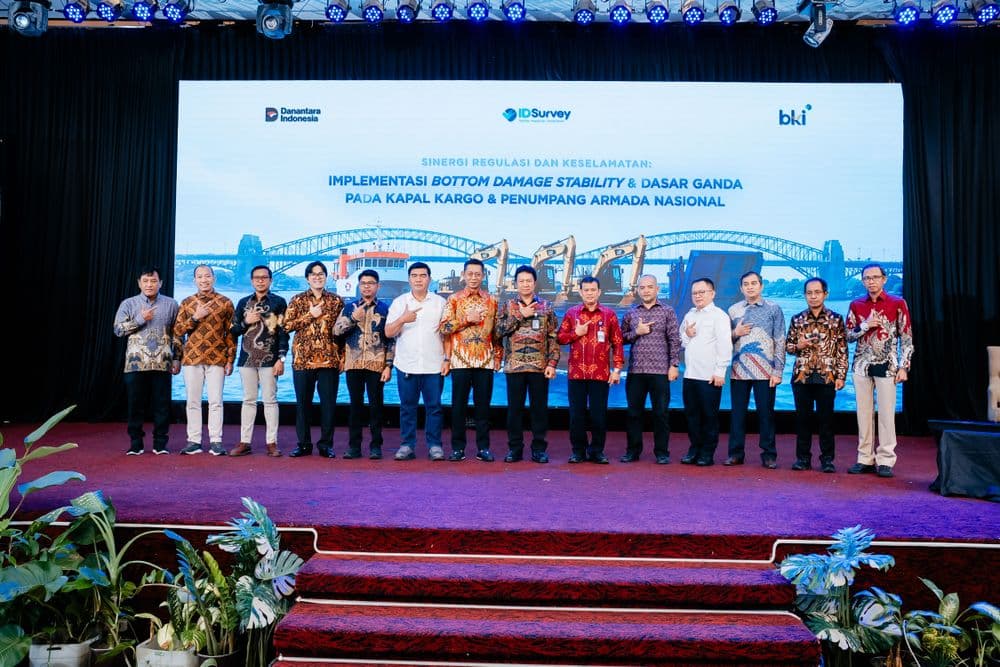
Samarinda, June 8, 2026 — PT Biro Klasifikasi Indonesia (Persero) (BKI) hosted a maritime safety forum titled “Regulatory and Safety Synergy: Implementing Bottom Damage Stability and Double Bottom Requirements for National Cargo and Passenger Vessels” at the ASTON Samarinda Hotel & Convention Center, Samarinda.


The event brought together regulators, industry leaders, and maritime stakeholders to strengthen alignment on ship safety regulations and support the implementation of higher safety standards across Indonesia’s national fleet. The forum focused on enhancing understanding of bottom damage stability and double bottom requirements, which play a critical role in improving vessel safety and operational resilience.
Among those attending were BKI Director of Classification Business Operations Arief Budi Permana; Director of Shipping and Maritime Affairs at the Ministry of Transportation, Ir. Samsuddin, M.T., M.Mar.E.; Head of the Design, Load Line and Stability Sub-Directorate Amir Makbul, M.T., M.Mar.; Head of the Legal Status Section of Class I KSOP Samarinda Syahriar, S.SIT., M.H.; Chairman of INSA Samarinda H. Agus Sakhlan, S.E.; and Chairman of IPERINDO East Kalimantan Dr. H. Untung Suropati, S.E., M.M.
In his remarks, Arief Budi Permana highlighted the importance of collective responsibility in maintaining maritime safety.
“Safety is not solely the responsibility of regulators. It is a shared commitment to protecting lives, safeguarding assets, and ensuring the long-term sustainability of Indonesia’s shipping industry,” he said.
Samsuddin emphasized the importance of collaboration among regulators, classification societies, shipowners, and shipyards in ensuring a consistent understanding of ship safety requirements.
“We hope this forum generates constructive input for regulatory improvements that reflect industry needs. Through stronger collaboration, we can enhance maritime safety while fostering a more competitive and sustainable shipping sector,” he said.
Through this initiative, BKI reaffirmed its commitment to strengthening stakeholder understanding of ship design, construction, certification, and operational requirements. The programme is expected to support the adoption of higher safety standards across the national fleet, reduce maritime risks, and contribute to safer and more sustainable maritime transportation in Indonesia.